
How We Taught Our Italian Greyhound to Walk Off Lead
Before Bailey came home, we read the same warning repeatedly: an Italian Greyhound should never be walked off lead.
The reasoning was always similar. They might spot a squirrel, become frightened by another dog or react to something unexpected and bolt. As first-time Italian Greyhound owners, it was difficult not to be intimidated by the certainty with which this advice was delivered. We understood the concerns, but we struggled to accept that walking on lead for an entire lifetime was the only responsible option. For us, a fulfilling walk meant more than travelling neatly from one end of a route to the other. We wanted Bailey to be able to explore, run and spend as long as she wished catching up on the morning’s “peemails”. That freedom was not something we gave her all at once. We built towards it gradually, beginning in a quiet local park with plenty of treats and very modest expectations.
We Began Somewhere Quiet and Familiar
The local park near our home was secluded and generally quiet. It gave us enough visibility and control to concentrate on Bailey without having to manage busy roads, crowds of people or dogs appearing from every direction. Choosing the right environment made those first sessions feel far less dramatic. We were not releasing her in an enormous open space and hoping for the best. We were giving her a small amount of freedom in surroundings we knew well, at a time when the park was calm.
We also kept the early sessions short. The aim was not to complete an entire walk off lead on the first attempt. It was simply to let Bailey move a little farther away, call her back and help her discover that returning to us was always worthwhile. For anyone who would prefer an intermediate step, a long training lead can provide additional reassurance while recall is developing. We did not use one with Bailey, but it can allow a puppy to explore at a greater distance without moving immediately from a short lead to complete freedom.
A Pocketful of Treats Did Much of the Early Work
Bailey has always been extremely food motivated, which made her an enthusiastic pupil. We took plenty of high-value treats and rewarded her generously whenever she returned to us. At first, recall practice was deliberately easy. We called her when she was already likely to respond, rather than waiting until she had found the most interesting smell in the park. That allowed us to reinforce success repeatedly and made returning to us part of the enjoyment of the walk.
We wanted her name and recall cue to predict something good. Coming back did not always mean that the lead went on or that the fun ended. Sometimes she received a treat and was immediately allowed to continue exploring. This helped prevent recall from becoming a signal that freedom was about to be taken away. Her enthusiasm for food certainly helped, but treats were only part of it. We also made ourselves relevant. We changed direction, encouraged her to follow and rewarded her for checking in with us without being called. The more attention she paid to where we were, the less recall felt like an emergency measure.
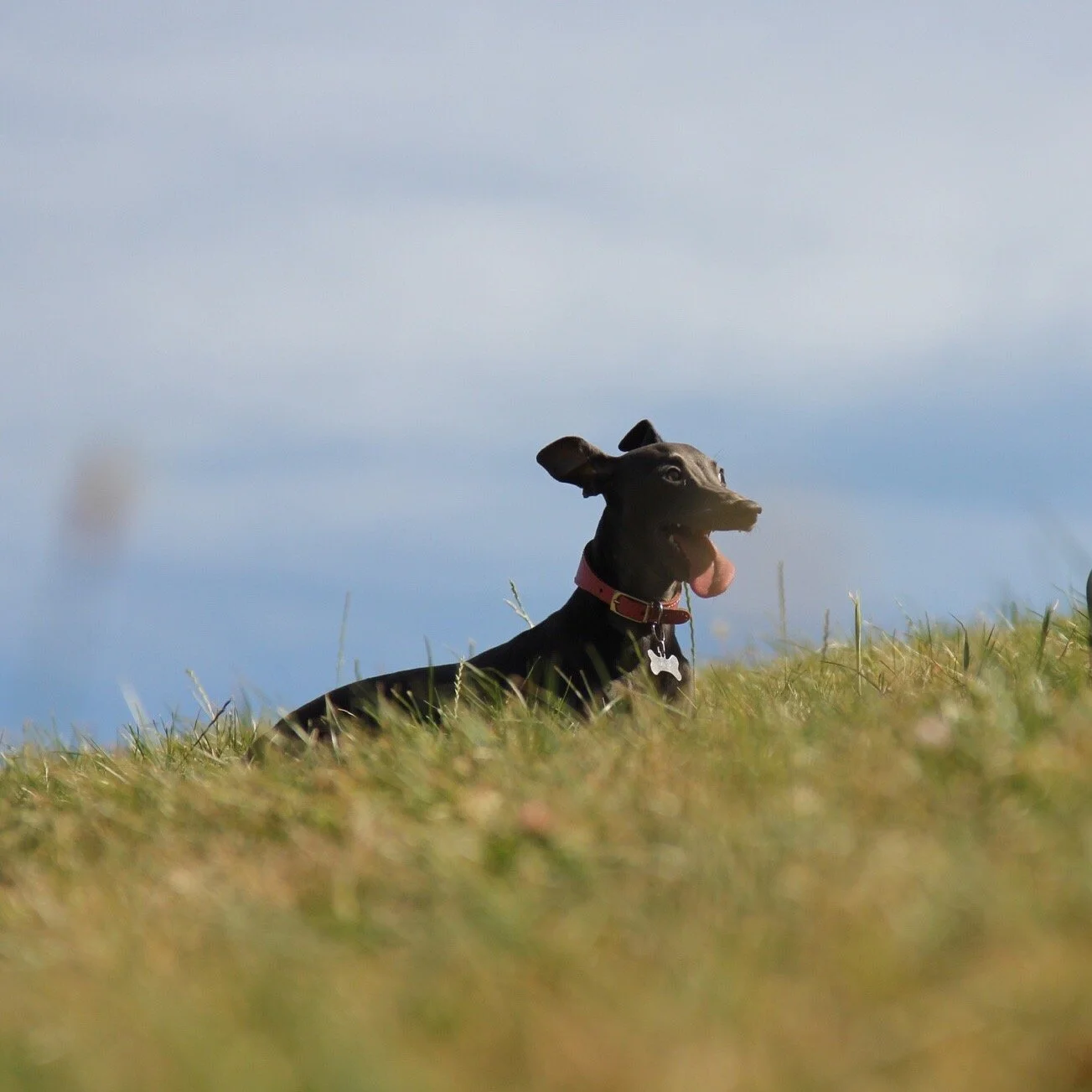
We Increased Her Freedom Gradually
Once Bailey was responding consistently in the quiet park, we began allowing her off lead for short sections of her ordinary walks.
We still carried treats and continued to practise recall. If the surroundings became busier or we reached a part of the route where we felt less comfortable, we put her back on lead. Over time, the off-lead sections became longer as her responses became more dependable and we became better at reading her behaviour. This gradual approach meant there was no single day on which Bailey suddenly became an “off-lead dog”. Her freedom expanded alongside her training. Each successful walk gave us a little more confidence, while each recall strengthened the habit of remaining connected to us. It also stopped us from treating the lead as a sign of failure. Putting Bailey back on lead was simply a practical decision based on what was ahead. She could enjoy plenty of freedom without every minute of every walk having to be off lead.
Reliability Came From Knowing Bailey
Recall mattered enormously, but the point at which we felt truly comfortable came when Bailey was not only reliable but predictable.
As she grew up, it became clear that she genuinely enjoyed being close to us. She explored, sniffed and ran, but her behaviour was rarely erratic. We learnt how far she was likely to wander, what caught her attention and the small changes in her body language that indicated she had noticed something before we had. That familiarity developed through hundreds of ordinary walks. It could not be hurried, and it was just as valuable as the formal training. We were no longer simply issuing a recall cue and waiting to see what happened; we had a strong sense of how Bailey was likely to behave in a given situation. The relationship worked both ways. Bailey learnt to keep track of us, while we learnt to keep track of her. Off-lead walking became less about control and more about an ongoing conversation.
We Learnt to Scan Ahead
One of the most useful habits we developed was looking ahead before Bailey did. If there was a squirrel near the path, a dog charging around excitedly or anything else that might distract or unsettle her, noticing it early gave us options. We could call her back, put her on lead, offer a distraction or quietly change direction before the situation developed. This did not make a walk tense or joyless. Quite the opposite: it allowed Bailey to enjoy more freedom because we were actively managing the surroundings rather than reacting too late.
Good recall is invaluable, but it should not have to solve every problem. If we could prevent Bailey from rehearsing a chase—or avoid placing her in a situation that was unnecessarily difficult—we did. A few seconds of observation often made all the difference. Scanning ahead also became second nature. We could enjoy the walk, talk and take in our surroundings while still keeping half an eye on what was approaching. It was simply part of walking an Italian Greyhound, much like checking the weather before deciding which coat she needed.
The Horse in Richmond Park
For all Bailey’s predictability, she did manage to surprise us once.
We were walking in Richmond Park when, completely unexpectedly, she decided to chase a horse. She had encountered horses many times before without showing any particular interest, which made her reaction all the more startling. Fortunately, the horse appeared entirely unbothered and Bailey returned fairly quickly. Nevertheless, the image of a horse galloping past with our tiny Italian Greyhound in pursuit has never quite left us.
We still do not know what prompted her to chase that particular horse. Perhaps its movement caught her attention at precisely the wrong moment, or perhaps she simply made a decision that made perfect sense to her and none at all to us. It was certainly a learning experience. From then on, whenever a horse was approaching, Bailey went back on lead. We had seen enough to know that a familiar situation could occasionally produce an unfamiliar response. The lesson was not that we had been wrong to give Bailey off-lead freedom. It was that responsible off-lead walking does not end once recall has been taught. It requires continued observation, judgement and a willingness to use the lead before it is needed.
Freedom Changed the Quality of Her Walks
Allowing Bailey to walk off lead gave her the opportunity to experience the world at her own pace. She could pause over a particularly important smell, trot ahead, circle back and choose which part of the path deserved further investigation. It also gave her space to run. Watching an Italian Greyhound stretch out is one of the great pleasures of sharing life with the breed. That combination of speed, elegance and obvious delight is difficult to replicate at the end of a short lead.
Off-lead walks became enjoyable for us too. We were not being pulled from one interesting scent to another, and our attention was focused on Bailey rather than on keeping a lead untangled. Because she had been taught to remain connected to us, her freedom did not make the walk feel chaotic. Most importantly, it suited the dog Bailey became. She loved being close to us, was eager to work for food and responded well to consistent training. We recognised those qualities and built on them rather than allowing the most alarming advice we had read to define her entire life.
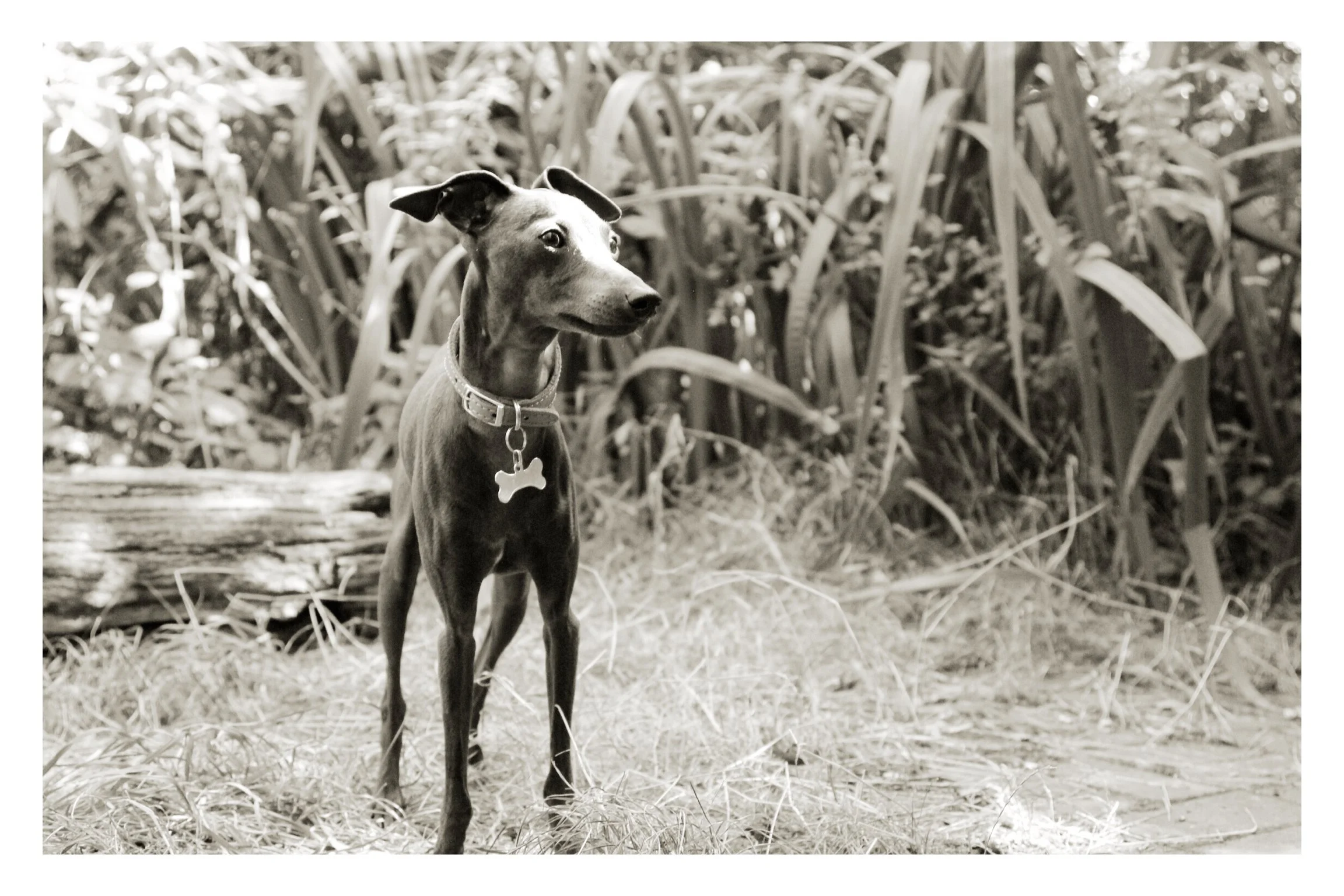
Build Freedom Rather Than Rushing Towards It
Teaching Bailey to walk off lead was not about proving that the warnings were wrong. It was about giving her greater freedom in a way that felt thoughtful and manageable. We started somewhere quiet, made recall rewarding and increased the challenge gradually. We learnt to read her, encouraged her to check in with us and paid attention to what was happening farther along the path. When the environment called for it, we used the lead without hesitation. There were no complicated secrets. A great deal of the process came down to repetition, patience and a reliable supply of treats. Bailey’s walks were richer for the freedom she had. She could run, explore and read every peemail waiting for her, while still choosing to remain close to us.
For an Italian Greyhound once described as a dog who should never be released from the lead, she became a wonderfully dependable walking companion.